
Key Takeaways
- Advanced welding machines enhance precision and weld quality, crucial for maintaining manufacturing standards.
- Upgrading to industrial welding machines increases productivity, reducing operational downtime significantly.
- MIG welding machines provide faster cycle production, ideal for high-volume manufacturing applications.
- Choosing the right welding machine from trusted Welding Machine Distributors can prevent costly mistakes in production.
- Selecting equipment that matches your specific needs lowers long-term maintenance costs and boosts efficiency.
Modern manufacturing industries rely on precision, efficiency, and consistent production quality to remain competitive. Whether producing automotive components, heavy engineering equipment, construction materials, fabricated structures, or industrial machinery, welding plays a critical role in creating strong and reliable joints. As manufacturing technologies continue to evolve, advanced welding machines have become an essential investment for businesses looking to improve productivity, reduce operational downtime, and maintain high-quality fabrication standards.
Today's Industrial welding machines offer greater precision, improved control, higher energy efficiency, and compatibility with a wide variety of materials. Selecting quality equipment from trusted Welding Machine Distributors allows manufacturers to build dependable production systems capable of meeting demanding industrial requirements.
Adinath Equipments Pvt. Ltd. is recognized for supplying quality industrial equipment that supports fabrication, manufacturing, and engineering industries. With a broad product portfolio and customer-focused approach, Adinath Equipments Pvt. Ltd. provides welding solutions suitable for workshops, fabrication units, production facilities, and industrial plants.
Why Welding Equipment Quality Directly Affects Manufacturing Output
The manufacturing floors operate on tight schedules and a delay in the manufacturing process has an impact on the entire manufacturing line. A quality welding machine can minimize rework time resulting from poor or inconsistent welds, maintain operator productivity during long shifts and will perform well over time when used in industrial applications every day. One of the most underrated machine selection decisions in manufacturing equipment planning is selecting the appropriate machine as opposed to a general one size that fits all machines. Welding machines are available in a variety of types.
There are several different types of welding machines.
Understanding the Main Types of Welding Machines
1. Arc and MMA Welding Machines
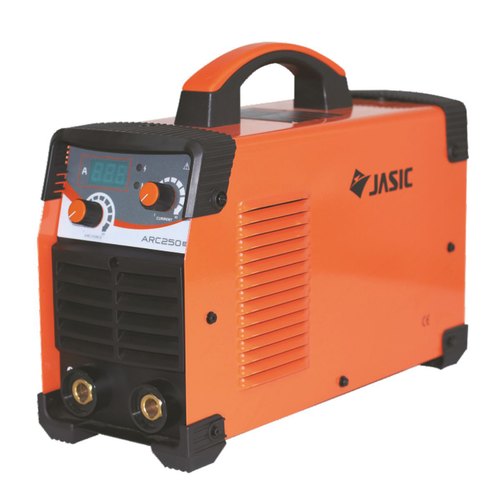
Arc welding (also referred to as Manual Metal Arc or Shielded Metal Arc welding) is still one of the most popular processes in the construction, structural fabrication, and general repair sectors.
The simplicity, mobility and versatility of arc and MMA welding machines make them popular for site welding and heavy fabrication applications where power supply conditions are not always guaranteed.
2. MIG Welding Machines
MIG welding machines feature a continuously fed wire electrode that can provide more rapid welding and cleaner results than conventional stick welding.
This is why MIG welding is becoming a favored method in manufacturing applications that generate larger quantities of welded assemblies, such as automotive components, metal furniture, and structural assemblies, which require both speed and consistency.
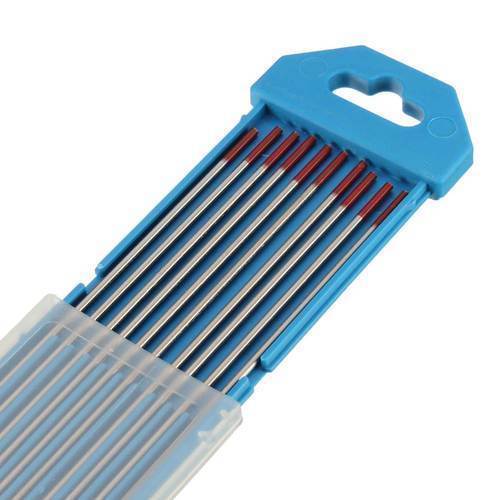
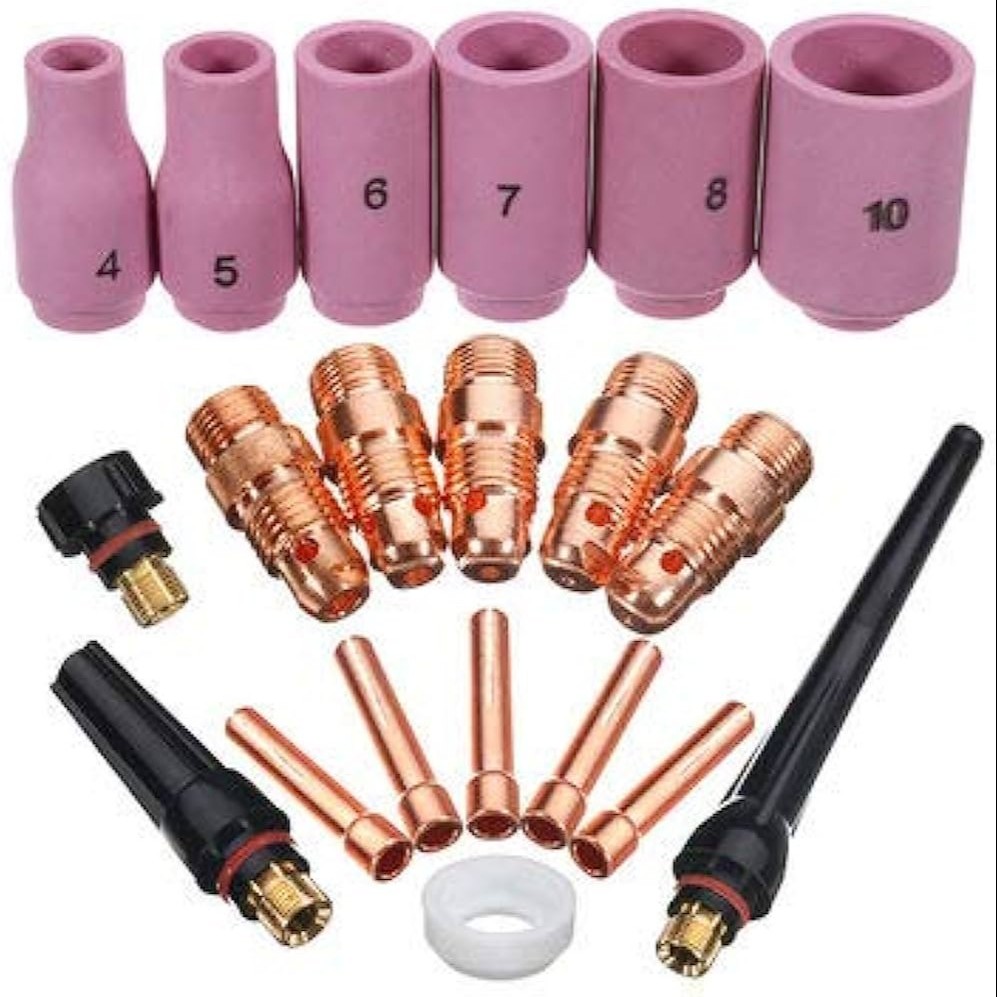
3. TIG and Argon Welding Machines
The inert gas shield (usually argon) protects the weld area and is used to create very clean and precise welds, which is typical of TIG welding.
For such jobs that require good finishes, such as thin metal welding, stainless steel welding and precision parts that require both strength and good looks, this makes TIG and Argon welding machines the preferred choice.
4. Submerged Arc Welding Machines
Submerged arc welding machines are also extremely efficient when used for thick plates of metal in heavy industry applications because the arc is submerged under a layer of granular flux that protects the weld from contamination and can produce deep weld penetration.
This method is appropriate for large-scale production, like shipbuilding, pressure vessels, and heavy structural steel manufacturing.
5. Regulators and Stud-Type Welding Machines
Beyond the core welding processes, regulators play an essential supporting role in gas-based welding operations, controlling the flow of shielding gases to maintain weld quality and safety. Stud-type welding machines, meanwhile, serve a more specialized function, quickly and securely attaching threaded studs or fasteners to metal surfaces, a process commonly used in construction and shipbuilding applications.
6. Supporting Equipment: Helmets, Holders, and Ovens
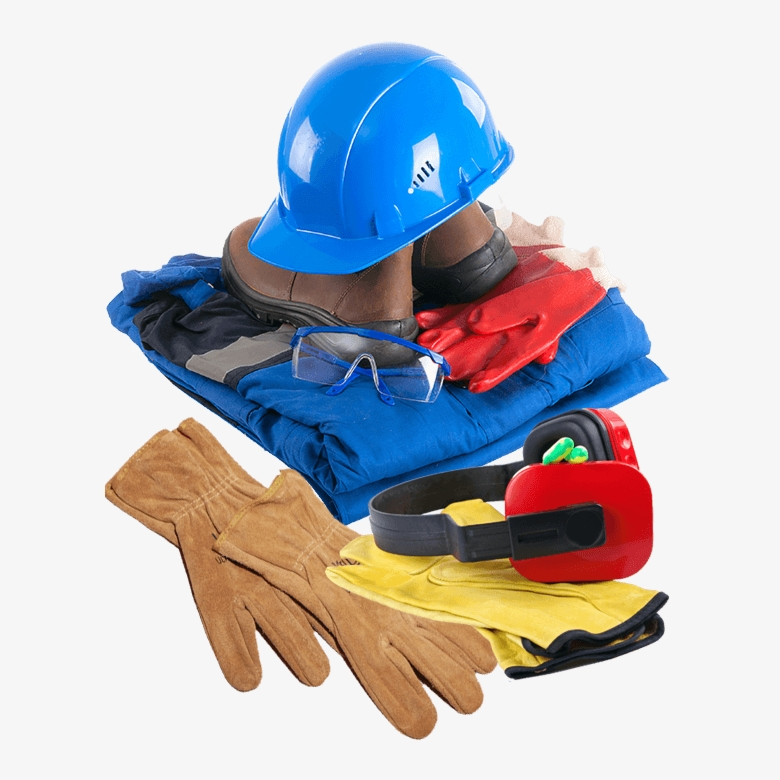
A complete welding setup depends on more than just the primary machine. Welding helmets protect operators from arc flash, sparks, and harmful UV radiation during long working hours, while welding holders provide the secure grip needed for safe and precise electrode handling. Welding ovens, used to store and dry electrodes at controlled temperatures, help maintain electrode quality by preventing moisture absorption that can otherwise compromise weld integrity.
Key Benefits of Upgrading to Advanced Welding Machines
Improved Weld Quality and Consistency
Welder machines today are designed to produce more consistent arcs and more accurate heat input control which leads to cleaner, stronger welds with reduced defects. This consistency minimizes re-work and enhances overall structural integrity of products.
Faster Cycle Production
The advanced machines have much higher welding speeds, especially the MIG and submerged arc machines. The boost in speed becomes a direct boost in manufacturing throughput for businesses with a need to deliver projects on time without compromising weld quality.
Reduced Operator Fatigue and Improved Safety
Newer welding machines may also be ergonomically superior, arc stabilizing, and spatter free, which make the job physically easier on long shifts. This, when combined with the correct safety gear, such as welding helmets, helps alleviate ergonomic and safety concerns when working in a shop environment.
Versatility Across Materials and Thicknesses
A manufacturing company with a variety of welding machine types like submerged arc, arc, MIG and TIG can choose among the different options and thus can process a wider variety of materials and thicknesses without having to outsource specialized welding services to a third party.
This flexibility is particularly useful for businesses that deal with a diverse range of projects and do not have a narrow focus on a specific product line.
Lower Long-Term Maintenance Costs
The high-quality Industrial welding machines made by reputable manufacturers generally require less maintenance and replacement than those made by lesser-known companies, thereby minimizing the hidden expenses associated with downtime and part replacement that frequently occur with lower-quality equipment options.
Industries That Depend on Advanced Welding Equipment
Welding skills are the foundation in production for many industries. MIG welding plays a crucial role in automotive manufacturing, particularly in the production of high-volume parts. Arc and submerged arc welding are used in construction and infrastructures for structural steel work.
For pipeline and pressure vessel fabrication in the oil, gas and chemical industries, the integrity of the welds is critical, and requires precise TIG welding. The right welding machine choice has a direct impact on output quality and operational efficiency in the following industries as well: shipbuilding, heavy equipment manufacturing and metal furniture manufacturing.
What to Look for When Choosing a Welding Machine
The first step to choosing the right welding machine is to determine what welding job you're typically doing: MIG welding for high-volume production, TIG welding for finish critical items, or submerged arc welding for thick welds in the industrial setting.
In addition to the process type, buyers need to consider duty cycles, power sources, portability needs for site applications, and whether the supplier has a full complement of genuine spare parts and after sales support.
Relying only on first cost to select equipment can result in the selection of an inappropriate machine that fails to deliver the production results that are desired.
Planning Your Welding Equipment Upgrade
Before investing in new welding machines, manufacturing businesses should assess their current bottlenecks, whether that is slow production speed, inconsistent weld quality, or frequent equipment breakdowns, and match those pain points to the specific welding process best suited to solve them. Consulting directly with a knowledgeable Welding Machine Distributor before purchase helps avoid the common mistake of over-investing in capability the business does not need, or under-investing in equipment that cannot keep pace with production demands.
Why Choose Us
Adinath Equipments Pvt. Ltd. brings over 30 years of industry experience to its range of Industrial welding machines, spanning Arc, MIG, TIG, and submerged arc systems along with essential supporting equipment like welding helmets, holders, and ovens. As an established Welding Machine Distributor based in Vatva GIDC, Ahmedabad, the company holds ISO 9001:2008 certification and partnerships with 30 channel partners representing recognized global brands, giving manufacturing customers confidence in both product quality and long-term support. For businesses comparing Welding Machine Distributors in Ahmedabad, Adinath Equipments offers a combination of decades-long expertise, a genuinely broad product catalog, and a track record of serving manufacturing, construction, and fabrication industries across the region.
Conclusion
Advanced welding machines directly improve manufacturing output by delivering faster production speeds, more consistent welding quality, and reduced operator fatigue compared to outdated equipment. Choosing the right machine type, whether Arc, MIG, TIG, or submerged arc, depends on matching the process to your specific materials and production demands. Partnering with an experienced distributor who understands both the technical specifications and regional service needs help manufacturing businesses invest in welding equipment that performs reliably for years rather than becoming a recurring source of downtime.
Looking to upgrade your fabrication shop's welding capability? Contact Adinath Equipments Pvt. Ltd. today at +91 7016361870 or email info@adinathequipments.com to get started.
Frequently Asked Questions
Advanced industrial welding machines improve weld quality and consistency, enhance production speeds, reduce operator fatigue, and lower long-term maintenance costs. These benefits contribute to a more efficient manufacturing process and higher-quality output.
Choosing the right welding machine involves assessing your typical welding jobs, such as MIG for high-volume production or TIG for precision work. Additionally, consider duty cycles, power sources, and the availability of spare parts from your supplier.
Selecting a reputable welding machine distributor in Ahmedabad ensures access to high-quality equipment, reliable spare parts, and expert support. A trusted distributor like Adinath Equipments Pvt. Ltd. can help match your specific needs with the right welding solutions.
Common types of welding machines used in manufacturing include Arc, MIG, TIG, and submerged arc welding machines. Each type serves specific applications and material requirements, making it crucial to choose the right one based on your projects.
Advanced welding machines are often ergonomically designed, reducing operator fatigue and improving comfort during long shifts. Coupled with proper safety gear, they help minimize risks associated with welding tasks, creating a safer work environment.