
Key Takeaways
- Selecting the right welding electrode is critical for achieving strong, durable welds across various applications.
- Consider working with a reliable Welding Electrodes Supplier in Ahmedabad to ensure consistent quality and availability.
- Electrode composition must match the base metal to prevent weak or brittle joints in your welding projects.
- Investing in quality industrial welding electrodes reduces long-term costs by minimizing rework and failures.
- Understanding electrode categories and coatings is essential for optimizing welding performance in different environments.
Welding quality depends on more than just the welding machine and operator's skill. One of the most important factors influencing the strength, durability, and appearance of a weld is the selection of the right welding electrode. Whether working on structural fabrication, automotive components, heavy engineering, construction projects, pipeline installations, or industrial manufacturing, choosing the appropriate electrode contributes to consistent welding performance and reliable joint quality.
Modern Industrial welding electrodes are designed for different metals, welding positions, operating conditions, and fabrication requirements. Selecting suitable electrodes helps improve productivity, supports smoother welding operations, and produces welds that meet project expectations.
Adinath Equipments Pvt. Ltd. supplies quality welding products for industrial and commercial applications. With a commitment to delivering dependable welding solutions, Adinath Equipments Pvt. Ltd. supports fabrication workshops, engineering industries, manufacturing plants, and construction companies with products suitable for diverse welding requirements.
Why Electrode Selection Matters as Much as the Welding Machine
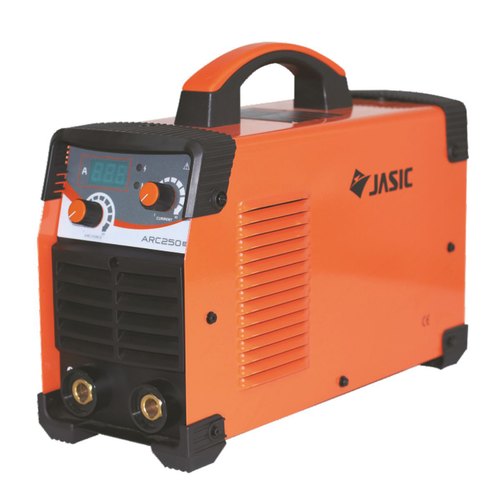
A welding machine supplies the power and controls the arc, but the electrode determines the actual chemistry and structure of the finished weld. Using the wrong electrode type, size, or coating for a given base metal can lead to cracking, porosity, poor penetration, or a weld that simply cannot handle the load it was meant to bear.
This is why understanding electrode categories, and matching them correctly to the job at hand, deserves just as much attention as choosing the right machine.
Understanding the Main Categories of Welding Electrodes
1. General-Purpose Stick Electrodes
Stick electrodes, used in Manual Metal Arc welding, remain the most widely used consumable across construction, structural fabrication, and general repair work. Electrodes from established manufacturers like Ador are trusted across a wide range of general fabrication and structural applications, offering reliable arc stability and consistent weld quality for everyday jobs, from site repairs to structural steel assembly.
2. Specialized Industrial-Grade Electrodes
Beyond general-purpose rods, certain jobs call for electrodes engineered for more specific or demanding applications. Brands such as GMM Modi and Kore weld supply electrode ranges built for varied industrial welding requirements, giving fabricators options suited to different base metals, joint designs, and structural demands beyond what a single general-purpose rod can cover.
3. Welding Rods for Precision and Repair Work
Stanvac welding rods are commonly used where dependable, consistent performance is needed across repair and maintenance welding tasks. Having a reliable stock of these rods on hand helps maintenance teams handle unplanned repairs quickly without waiting on specialty orders, keeping production downtime to a minimum.
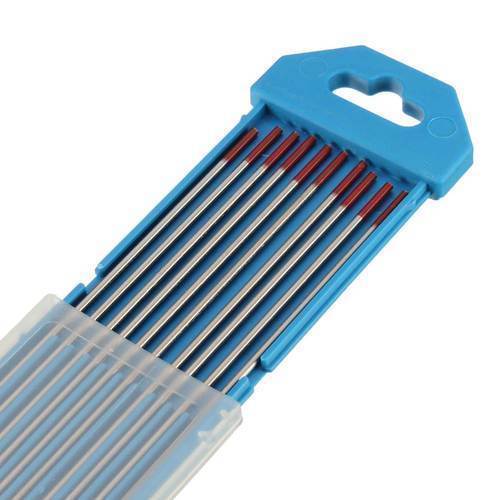
4. Tungsten Rods for TIG Welding
TIG welding depends on a non-consumable tungsten electrode to sustain the arc while a separate filler rod, if needed, adds material to the joint. Tungsten rods play a critical role in producing the clean, precise welds TIG welding is known for, making them essential for stainless steel work, thin metal fabrication, and any application where weld appearance and precision matter as much as strength.
How to Match Electrodes to Your Welding Job
Base Metal Compatibility
The first and most important factor in electrode selection is matching the electrode composition to the base metal being welded. Mild steel, stainless steel, and specialty alloys each require electrodes formulated to bond correctly with that specific metal, and using a mismatched electrode often results in a weak, brittle, or corrosion-prone joint over time.
Welding Position
Not every electrode performs equally well in every position. Some electrodes are formulated specifically for flat and horizontal welding, while others are designed to hold up in vertical or overhead positions where gravity works against a stable weld pool. Choosing an electrode rated for the actual working position of a job prevents sagging, poor fusion, and inconsistent bead formation.
Electrode Diameter and Current Settings
Electrode diameter needs to correspond with the thickness of the base material and the amperage output of the welding machine being used. Too thin an electrode for a thick joint result in inadequate penetration, while too large an electrode on thin material can burn through or warp the workpiece entirely.
Coating Type and Environmental Conditions
Electrode coatings affect everything from arc stability to the amount of spatter produced during welding. Certain coatings perform better in outdoor or damp site conditions, while others are optimized for cleaner indoor shop environments. The appropriate coating type for the job can be determined by taking into account the location of the actual welding.
Why Quality Electrodes Reduce Long-Term Costs
It can be tempting to cut costs by choosing the cheapest available electrode, but low-quality consumables often lead to more rework, weaker joints, and higher failure rates down the line.
Investing in Industrial welding electrodes from established, reputable manufacturers reduce the likelihood of weld defects that require costly rework or, worse, structural failures discovered only after a product or structure is already in use.
The modest price difference between quality and low-grade electrodes is almost always outweighed by the reduction in downstream rework and liability risk.
Industries That Depend on the Right Electrode Choice
Construction and structural steel fabrication rely heavily on general-purpose stick electrodes for site work and structural assembly. Automotive and metal furniture manufacturing often depend on specialized industrial-grade electrodes suited to higher-volume, repeatable production runs.
Oil, gas, and chemical industries require precision electrode and tungsten rod combinations for pipeline and pressure vessel work, where weld integrity carries direct safety implications.
Maintenance and repair operations across nearly every manufacturing sector depend on having dependable welding rods on hand for unplanned fixes that cannot wait for specialty procurement.
Common Mistakes When Choosing Welding Electrodes
Many weld failures trace back to avoidable electrode selection errors rather than machine or operator issues. Using a general-purpose electrode on a specialty alloy that needed a matched formulation is a frequent cause of cracking and poor fusion.
Ignoring electrode diameter relative to material thickness leads to inadequate penetration or burn-through. Storing electrodes improperly, allowing moisture absorption, can compromise weld quality even when the correct electrode type was chosen in the first place.
Working with an experienced Welding Electrodes Supplier in Ahmedabad who understands these pitfalls helps fabricators and manufacturers avoid costly mistakes before a project even begins.
Building a Reliable Electrode Sourcing Strategy
Manufacturing and fabrication businesses planning their welding consumable sourcing should start by mapping out the base metals, positions, and volumes typical of their regular work, then identify a supplier capable of covering that range consistently.
Keeping a reliable stock of commonly used electrodes on hand, backed by a supplier who can quickly fulfill specialty or bulk orders when needed, helps avoid the production delays that come from running short on critical welding consumables mid-project.
Why Choose Us
Adinath Equipments Pvt. Ltd. brings over 30 years of industry expertise to a genuine range of Industrial welding electrodes, including Ador welding electrodes, GMM Modi, Kore weld, Stanvac welding rods, and tungsten rods for TIG applications, giving fabricators and manufacturers a dependable single source for nearly every welding job. As an established Welding Electrodes Supplier in Ahmedabad, based in Vatva GIDC, the company understands the practical demands of the region's manufacturing and fabrication sector, from structural site work to precision TIG welding requirements. Customers working with Adinath Equipments Pvt. Ltd. benefit from a broad, genuine product range, decades of technical credibility, and a supplier positioned across Ahmedabad and the wider Gujarat region to support both routine restocking and specialized welding electrode needs.
Conclusion
Choosing the right welding electrode is just as important as choosing the right machine, since electrode composition, diameter, coating, and position rating all directly affect weld strength and quality. Matching electrodes correctly to base metal, welding position, and environmental conditions prevents costly rework and structural weaknesses down the line. Partnering with an experienced, well-stocked supplier gives fabricators and manufacturers confidence that the right electrode is always available, whether for routine production work or specialized repair jobs.
Need the right welding electrode for your next project? Contact Adinath Equipments Pvt. Ltd. today at +91 7016361870 or email info@adinathequipments.com to get started.
Frequently Asked Questions
When selecting welding electrodes, consider the base metal compatibility, welding position, electrode diameter and current settings, as well as the coating type suited for environmental conditions. These factors play a crucial role in determining the quality and strength of the weld.
A reliable Welding Electrodes Supplier in Ahmedabad can provide quality electrodes suited for diverse welding requirements. They understand the local manufacturing demands and can quickly fulfill both routine stock and specialty orders, minimizing project delays.
To avoid common mistakes, ensure you select the right electrode for the specific material and thickness. Consider the working position and store electrodes properly to prevent moisture absorption, which could compromise weld quality.
Specialized industrial-grade electrodes are best for demanding applications, offering tailored formulations for various base metals and joint designs. Brands such as GMM Modi and Kore weld provide options that enhance performance in specific industrial welding environments.
Investing in quality welding electrodes reduces the risk of defects and rework, leading to lower long-term costs. Poor-quality electrodes can result in weak joints and higher failure rates, incurring additional expenses as projects may require costly corrections.