

The issue of workplace safety is no trend. It is a responsibility. In any sector including manufacturing, construction, logistics, chemicals, and engineering, the safety of workers is largely reliant on the appropriate selection of Safety PPE. Personal Protective Equipment serves as the last line of defense between a worker and the possible hazards. Making the incorrect choice of equipment, or incomplete protection may place workers in very dangerous situations. This comprehensive manual will provide insight into selecting the correct Safety PPE to offer the highest protection with reference to the practical industrial requirements, regulations, comfort, and extended safety effectiveness.
Understanding What Safety PPE Really Means
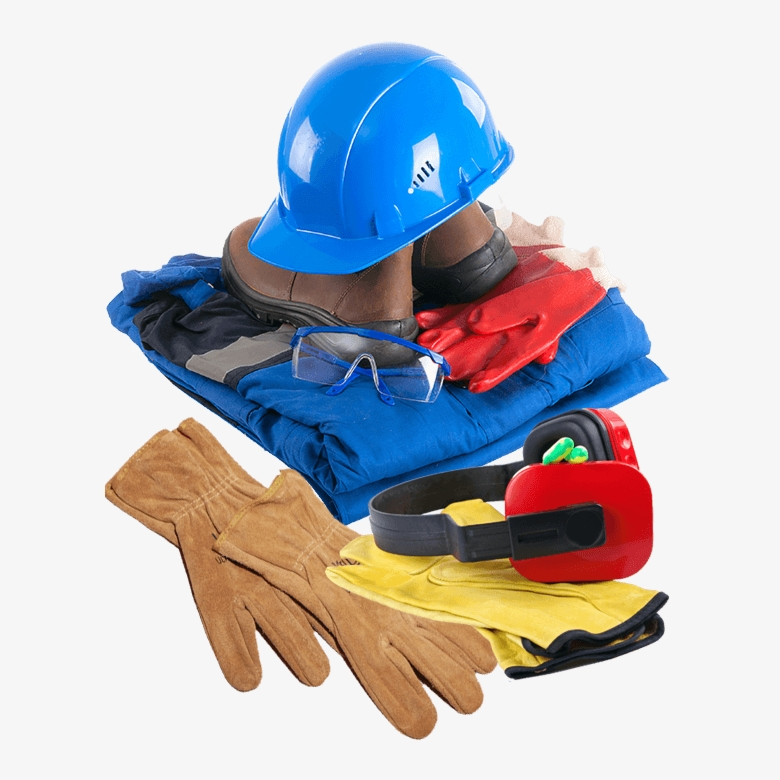
Safety PPE is the name of protective clothing and equipment that helps to reduce the exposure to workplace hazards. Such hazards can be mechanical, spray of chemicals, airborne dust, electric dangers, noise or extreme temperatures. The industrial Safety PPE is aimed particularly at hard working environments where the dangers are greater, and the level of protection is to be meticulously observed. They are mostly classified into head protection, eye and face protection, respiratory protection, hand protection, body protection, foot protection and fall protection. All the categories cover a particular kind of hazard and in most instances, two or more types of PPE are needed in combination to have adequate safety coverage. In Adinath Equipments, the vision is set on supplying Industrial Safety PPE that not only meets the real life industrial requirements but also the basic requirements.
Step One: Identify Workplace Hazards Clearly
Hazard identification should be done before a decision is made on any Safety PPE. No two places of work are identical. There are risks of flying metal particles and sharp edges in a fabrication unit and corrosive substances and fumes in a chemical plant. Lacking knowledge of hazards, choosing PPE will be a guess. Hazards are either classified into physical, chemical, biological, ergonomic, and environmental. These risks once identified can be used to hold the actual Safety PPE necessary. As an example, dust exposure eye protection is very different to chemical splash eye protection.
Step Two: Match PPE to Specific Tasks, Not Job Titles
A frequent error in making the PPE choice is the allocation of equipment following job descriptions rather than tasks. One day, a maintenance technician can do electrical work and the following day, mechanical repair. Different Industrial Safety PPE is required in each undertaking. Task based assessment will provide improved protection. The gloves applied to handle sharp metal sheets are not the same as those applied in handling chemicals. Wearing the PPE that is suitable for the task can prevent accidents and increase the confidence of workers.
Importance of Compliance and Standards
The PPE used should meet the safety standards. In India, this can be the IS standards, and even a variety of industrial products are close to international standards. Compliance ensures that the PPE has undergone risk and performance level testing. Wearing certified Industrial Safety PPE is not a matter of regulation; it is a matter of trust. Employees depend on PPE at some of the most critical times and low quality might fail at the worst possible time. Adinath Equipments focuses on products that are at set safety standards in terms of application in industries.
Durability and Material Quality Matter
Working conditions in industries are tough. PPE is subjected to heat, friction, chemical, and constant wear. When selecting PPE of Industrial Safety, the material should be made of durable materials as this can prolong the life and preserve its protective qualities with time. Poor quality of PPE can be compromised easily, giving it an illusion of protection. Periodic checking and changing schedules are equally important, although, the costs and safety gaps decrease with the reliable materials at the very beginning.
Eye and Face Protection for Precision and Safety
In the industrial surroundings, eyes are very prone to danger. There is always the threat of dust, sparks, chemicals and radiation. This category of safety PPE includes goggles, face shields, and welding helmets. The correct level of protection is mainly chosen depending on the type of exposure. The visibility is clear, the anti-fog capability is present, and the secure fit increases usability. The PPE that covers the face and eye should be compatible with helmets and respirators.
Hand Protection Based on Risk Type
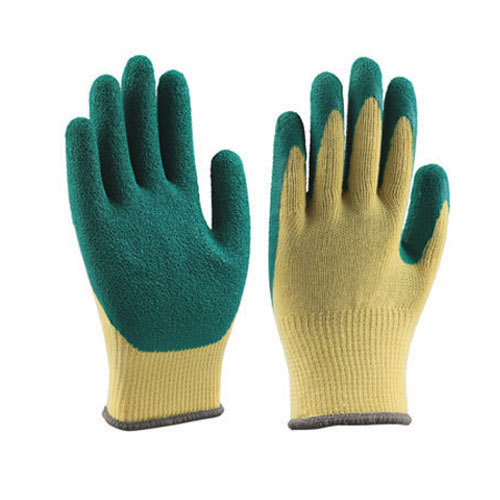
Hands are also subjected to risks. The common risks include cuts, abrasions, burns, chemical exposure, and vibration. One of the most common types of Safety PPE are the gloves, although not every glove has the same protective properties. Material selection matters. Other materials, including leather, nitrile, latex, PVC and cut-resistant fibers, have other uses. Hands Task-specific Industrial Safety PPE enhances grip, dexterity, and protects at the same time.
Body and Foot Protection for Complete Coverage
Protective wear covers the body against heat, sparks, chemicals and contamination. High-visibility clothing, jackets, aprons and coveralls are included in this category of Safety PPE. Foot is another type of protection that involves safety shoes and boots, which allow protection against impacts, puncture, slip and electric shock. Body and feet Quality Industrial Safety PPE mitigates fatigue but offers protection.
Why Choose Us
Adinath Equipments will be distinguished due to its profound knowledge of the industrial safety requirements and its quality-oriented solutions. The company emphasizes trustworthy Safety PPE which fits the actual industrial issues, rather than empty claims. Adinath Equipments also helps companies create safe working environments with its strong emphasis on compliance, durability, and comfort of the user. It has a strategy that is based on product awareness, industry applicability and reliable service, which makes Adinath Equipments a household brand in terms of Industrial Safety PPE in all industries.
Conclusion
Selection of the appropriate Safety PPE is a strategic and not a checklist exercise. Since the hazard is identified, the selection results in a task and compatibility, comfort, compliance, as well as training, each of them is contributing to the safety of workers. PPE Industrial Safety helps in productivity through minimizing injuries, non-productive time, and health hazards in the long term. Companies making investments in PPE engage in suitable teams that are safer and more confident. Safety culture at workplaces can be long lasting with the right direction and reliable equipment provided by a trusted supplier such as Adinath Equipments. Selection of PPE in a proper way is beneficial to both people and performance itself, generating a value that is more than mere protection.
Want expert guidance on Safety PPE selection? Call +91 98791 56589 or email info@adinathequipments.com.
Key Takeaways
- The Final Defense of Safety PPE: Machines fail. Humans slip. Hazards don’t warn you. When all the other precautions fail to prevent the worker against serious injury, safety PPE has something to offer. That is why it is dangerous business to pick it at random.
- Begin With Hazards, not Job titles. It’s not about who you are. It’s about what you’re doing. Each operation presents a threat of its own and the PPE used in terms of Industrial Safety ought to be in line with the task. One size protection will tend to safeguard nobody appropriately.
- Comfort Drives Compliance. In case PPE is heavy, tight, or irritant, individuals will not wear. Truth. Fitted and comfortable Safety PPE are used. Consistently. And this is where defense really takes place.
- Price is not a Big Issue, Quality is. The quality of PPE appears to be okay on the first day. Then it wears out. Fast. Dependable Industrial Safety PPE is more durable, works harder and silently eliminates downtimes, injuries, and regrets.
- PPE Effective Only When the Population is educated on their usage. The most excellent equipment can do nothing without training. Safety becomes not a rule but a habit when the workers know how to dress, adjust, and maintain Safety PPE.
Frequently Asked Questions (FAQs)
The first and most crucial step prior to choosing any Safety PPE is to identify certain hazards at the workplace.
Various tasks are associated with different risks, and task selection is better in protection accuracy and safety of workers.
The replacement is dependent on usage, exposure and condition. Consistent check-ups can be used to know when a replacement is necessary.
Yes. Easy Safety PPE enhances the adherence and minimizes the possibility of employees shunning protective equipment.
No. Protection is typically only effective when several Industrial Safety PPE items are used in combination.