
Key Takeaways
- CNC cutting machines improve precision and productivity CNC technology enables automated, repeatable, and highly accurate cutting, making it essential for industries like fabrication, automotive, and heavy engineering.
- Different CNC technologies serve different needs Oxyfuel is best for thick steel, plasma is ideal for fast multi-metal cutting, and laser cutting delivers the highest precision for thin to medium materials.
- Material type and thickness are the most important selection factors The right machine depends primarily on what materials you cut and their thickness range — this should guide the entire purchasing decision.
- Operational cost matters as much as machine price Long-term costs include consumables, energy usage, maintenance, and gas consumption, making total cost of ownership more important than upfront investment.
- After-sales support and operator skill impact performance Strong technical support, spare parts availability, and trained operators are critical to maintaining productivity and avoiding downtime in CNC operations.
In today’s highly competitive manufacturing industry, selecting the right CNC cutting machine can significantly improve operational speed, material precision, and overall production output. Businesses involved in metal fabrication, engineering, automotive parts production, and industrial manufacturing depend heavily on CNC technology to achieve consistent results and reduce manual effort. However, choosing the perfect machine requires careful evaluation of production needs, cutting capabilities, technology, and long-term business goals.
At Adinath Equipments, businesses gain access to advanced CNC cutting solutions designed to maximize productivity and deliver reliable performance. As a trusted CNC Cutting Machine Supplier in Gujarat, the company provides a wide range of innovative machines that support industrial growth and operational efficiency.
What Is a CNC Cutting Machine?
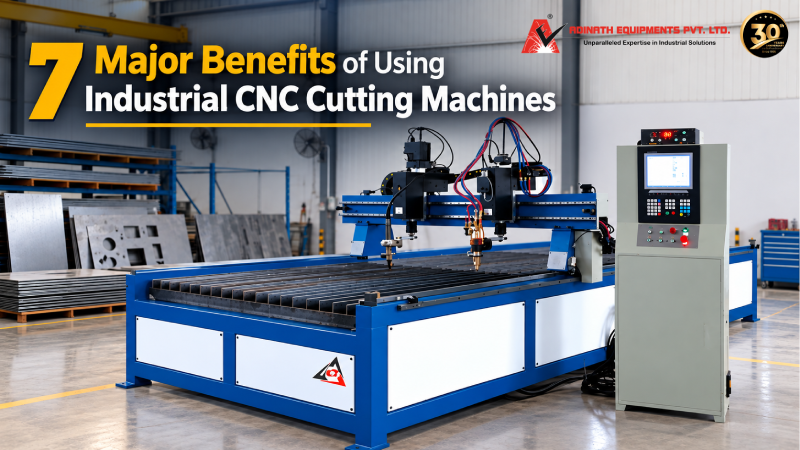
A CNC cutting machine is an automated industrial cutting system controlled by pre-programmed computer software. Instead of relying on a human operator to guide the cutting tool manually, CNC machines follow precise digital instructions — known as G-code — to execute cuts with exact dimensions, angles, and paths, repeatedly and consistently.
The core advantage of CNC cutting is repeatability. Once a cutting program is created and tested, the machine can reproduce that exact cut thousands of times without deviation. This level of consistency is impossible to achieve with manual cutting, making CNC machines indispensable in high-volume production environments where dimensional accuracy is critical.
Modern CNC cutting machines integrate advanced motion control systems, height sensors, nesting software, and remote monitoring capabilities — making them smarter, faster, and more resource-efficient than ever before. As a trusted CNC Cutting Machine Dealer in Ahmedabad, Adinath Equipments supplies machines that represent the latest in CNC cutting technology.
Types of CNC Cutting Machines and Their Applications
Understanding the different CNC cutting technologies is the foundation of making the right machine selection. Each technology has specific strengths, limitations, and ideal use cases.
CNC Oxyfuel Cutting Machines
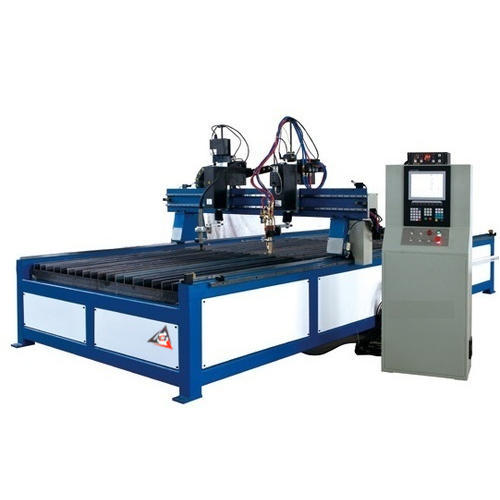
Often referred to as CNC flame cutting, CNC oxyfuel cutting relies on a controlled flame generated by a combination of oxygen and a fuel gas (usually acetylene, propane or natural gas) to heat the metal to its ignition temperature and then blow the molten metal away using a high-pressure oxygen jet. It is very effective in cutting thick plates of mild steel and low alloy steel.
CNC oxyfuel cutting equipment is very commonly used in heavy steel fabrication, structural steel manufacturing, pressure vessel production and shipbuilding, where material thickness is typically above 25mm, up to 300mm or even larger. Oxyfuel cutting is an economical process for heavy plate cutting applications, due to its relatively low operating cost.
One of the major advantages of modern CNC oxyfuel machines is that they can operate multiple oxyfuel cutting torches at once on a single gantry, which substantially improves the cutting throughput for high volumes of steel plate. The CNC control system controls all torches' movements, speed and gas parameters at the same time to ensure consistent cuts on the entire plate.
CNC Plasma Cutting Machines
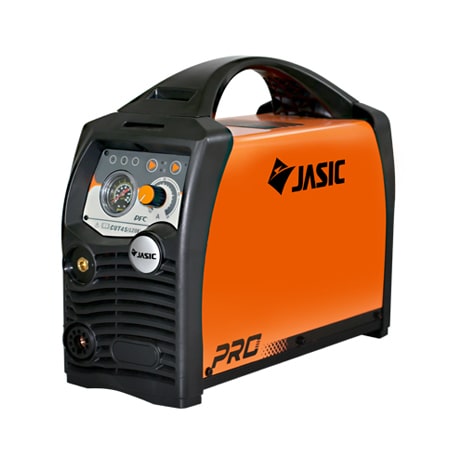
CNC plasma cutting is a high speed, high-temperature cutting process that is performed with an electrically charged plasma arc, through electrically conductive materials. The plasma arc can reach temperatures of up to 30,000ᴼ, instantly melting the metal and super speed blowing the molten metal away to create a clean and fast cut.
The cutting speed of plasma cutting is much faster than oxyfuel cutting on the material thickness range from 3mm to 50mm. It can process a variety of electrically conductive materials such as mild steel, stainless steel, aluminum, copper and brass, and is a much more applicable technology than oxyfuel for mixed-material fabrication environments.
Automotive component manufacturing, HVAC fabrication, agricultural machinery, general metal fabrication, machine building are just a few industries where CNC plasma cutting machines are the preferred choice. HD plasma systems provide cutting quality that is close to the laser cutting level at a much lower capital cost, making them very cost effective for medium range accuracy.
Laser Cutting and Welding Machines
Laser cutting is a manufacturing process that employs a laser beam with sufficient power to melt, burn or vaporize the materials following a carefully drawn program. The outcome is a very clean and narrow kerf cut with almost no heat affected zone, the gold standard for any application requiring absolute precision, fine feature cutting and the best surface finish.
The metal cutting industry has been revolutionized in the last decade, especially by fibre laser cutting machines. They provide several times higher cut speed than CO2 laser systems, and use considerably less power, no mirrors, no gas lasers and produce excellent cut quality with thin to medium sheet metal between 0.5mm and 25mm.
In addition to cutting, modern fibre laser systems from our range can also be used for laser welding and laser cleaning thus enabling all these processes to be performed on a single machine in one location, which makes it an investment for facilities who require multiple processes to be performed in a single machine. Precision engineering, signage, decorative metalwork, electronics enclosure and medical device fabrications are just some sectors that have absolutely no comparison when it comes to capability and output quality of laser cutting machines.
Key Factors to Consider When Choosing a CNC Cutting Machine
Choosing the right CNC cutting machine is a significant capital decision. Approaching this decision methodically — based on technical requirements rather than price alone — will yield the best long-term outcome. Here are the critical factors to evaluate:
Material Type and Thickness Range
The single most important factor in selecting a CNC cutting technology is the material you intend to cut and the thickness range you need to handle. Oxyfuel is best for thick mild steel. Plasma covers a broad range of conductive metals from thin sheet to heavy plate. Laser excels at thin to medium sheet metal with high precision requirements. Define your material and thickness range first — and let that drive your technology selection.
Required Cut Quality and Tolerance
If your application demands very tight dimensional tolerances, smooth cut edges, and minimal dross, laser cutting delivers the highest quality. If moderate cut quality at high speed is acceptable, plasma is an excellent choice. For thick plate structural applications where surface finish is less critical, oxyfuel cutting is perfectly adequate and cost-effective.
Production Volume and Speed Requirements
High-volume production environments benefit from faster cutting speeds. Plasma and laser machines both cut significantly faster than oxyfuel for thin and medium materials. If throughput is your primary driver, plasma or laser — depending on your material and thickness — will deliver better results than oxyfuel.
Operating Costs and Energy Consumption
Beyond the initial purchase price, calculate the total cost of ownership: consumables, gas costs, power consumption, and maintenance. Fibre laser machines have very low consumable costs and high energy efficiency. Plasma machines have moderate consumable costs (electrodes, nozzles, shields). Oxyfuel machines have low capital cost but ongoing gas consumption. A complete cost-per-cut analysis over your projected production volume will reveal the true economic picture.
Software and Integration Capabilities
Modern CNC cutting machines come with advanced nesting software that optimizes material utilization — reducing scrap and saving material costs. Look for machines with intuitive operating interfaces, remote monitoring capabilities, and compatibility with your existing CAD/CAM systems. As a reliable CNC Cutting Machine Distributor, Adinath Equipments supplies machines with advanced software packages designed for real-world production environments.
After-Sales Support and Spare Parts Availability
A CNC cutting machine is a long-term investment. The availability of spare parts, technical service support, and operator training are as important as the machine specifications themselves. Always evaluate the after-sales support infrastructure of your CNC Cutting Machine Dealer before making your purchase decision.
CNC Cutting Machine Applications Across Industries
CNC cutting machines serve a remarkably wide range of industries across Gujarat and India. Here is a look at the key sectors that benefit most from advanced CNC cutting technology:
Steel Fabrication & Structural Engineering: CNC oxyfuel and plasma machines are the backbone of structural steel fabrication units, cutting I-beams, plates, flanges, and structural components with high precision and speed.
Automotive & Transportation: Plasma and laser cutting machines produce body panels, chassis components, brackets, and exhaust system parts with the precision and repeatability demanded by automotive quality standards.
Shipbuilding & Offshore: Heavy CNC oxyfuel and plasma cutting systems handle the large steel plates used in ship hull construction, offshore platform fabrication, and marine equipment manufacturing.
Pressure Vessels & Boilers: CNC cutting machines produce the precisely dimensioned shell plates, heads, and nozzle cutouts required for pressure vessel and boiler fabrication to ASME and IS standards.
Agricultural Machinery: CNC plasma cutting machines produce the structural and functional components of tractors, harvesters, and other agricultural equipment efficiently and cost-effectively.
Architecture & Decorative Metalwork: Fibre laser cutting machines produce intricate decorative panels, signage, grilles, and architectural metalwork with extraordinary detail and edge quality.
Top Tips for Maximizing CNC Cutting Machine Productivity
Owning a high-quality CNC cutting machine is only the beginning. Maximizing its productivity requires disciplined operation and maintenance practices:
Optimize Nesting Programs: Use advanced nesting software to maximize material utilization and minimize scrap. Even a 2–3% improvement in material yield can translate into significant cost savings over time.
Maintain Consumables on Schedule: Worn plasma electrodes and nozzles degrade cut quality and increase operating costs. Follow the manufacturer's recommended replacement intervals without exception.
Calibrate Height Control Regularly: The torch-to-plate standoff distance critically affects cut quality. Regular calibration of the height control system keeps cuts consistent and consumable life maximized.
Train Operators Thoroughly: A well-trained operator who understands the machine's parameters, software, and maintenance requirements will consistently outperform an untrained one — even on the same machine.
Keep Maintenance Records: Log all maintenance activities, consumable replacements, and service interventions. This data helps predict future maintenance needs and prevents unplanned downtime.
Why Choose us
Selecting Adinath Equipments as your CNC Cutting Machine Supplier in Gujarat guarantees you have an industrial equipment supplier with three decades of experience in the field, a well-curated product line, and a genuine dedication to your operational success. Our CNC cutting machine catalogue contains all cutting technologies, including CNC oxyfuel/plasma cutting machines, high performance fibre laser cutting, welding and cleaning systems, and all from manufacturers that have a proven history of performance and reliability. We are an experienced CNC Cutting Machine Dealer and a well-established CNC Cutting Machine Distributor in Ahmedabad, Gujarat and also pan-India and provide machines from selection to procurement to installation to after-sales service co-ordination. We know that you're not buying a machine, you're investing in one that will be a part of your business for years to come. This is why each and every recommendation we give you is based on a detailed understanding of your application needs, production goals and budget – as we are here to help you be more productive with the right machine, at the right price and with the right support.
Conclusion
Choosing the optimal CNC cutting machine is one of the most important ones a manufacturing or fabrication company can make. Choosing the best technology for your particular production demands: heavy plate for CNC oxyfuel cutting, speed and versatility for CNC plasma cutting or unmatched precision for fibre laser cutting, is the key to your productivity and profitability. With years of experience, Adinath Equipments is a leading CNC cutting machine supplier in Gujarat providing a trusted line of CNC oxyfuel, plasma and laser cutting machines. We, as your CNC Cutting Machine Dealer and CNC Cutting Machine Distributor, are dedicated to providing cutting solutions that will take your production to the next level, every cut, every time!
For more information about choosing the perfect CNC cutting machine for maximum productivity, contact Adinath Equipments at +91 98791 56589 or email info@adinathequipments.com
Frequently Asked Questions (FAQs)
Adinath Equipments supplies two primary categories of CNC cutting machines: CNC Oxyfuel/Plasma cutting machines for heavy steel plate and mixed-material cutting, and Laser Cutting/Welding/Cleaning machines (fibre laser) for high-precision thin to medium sheet metal applications. Both categories are available for industries across Ahmedabad, Gujarat, and pan-India through our dealership network.
Consider factors like material type, thickness, power requirements, and application to select the most suitable machine.
Yes. As a committed CNC Cutting Machine Dealer and CNC Cutting Machine Distributor, Adinath Equipments provides comprehensive after-sales support including guidance on installation, operator training resources, and coordination with manufacturer service teams. Our goal is to keep your machine running at peak performance long after the initial purchase. Contact us at +91 98791 56589 for support queries.
Fibre laser cutting machines deliver significantly higher cut precision, finer feature detail, smoother edge quality, and narrower kerf widths compared to plasma cutting. They are ideal for thin to medium sheet metal cutting where dimensional accuracy and surface finishing are critical. Plasma cutting, however, offers lower capital cost, greater thickness capability, and faster speeds on thicker materials — making it the better choice for heavy-plate or mixed-material fabrication environments.
Yes. CNC plasma cutting machines can cut any electrically conductive metal including stainless steel, aluminum, copper, and brass. Fibre laser cutting machines are similarly versatile across a wide range of metals and can also process certain non-metals. CNC oxyfuel cutting is specifically suited to mild steel and low-alloy steel and is not appropriate for stainless steel or aluminum. Our team at Adinath Equipments can help you identify the right machine for your specific material requirements.