
Adinath Equipments Pvt. Ltd. is a trusted supplier of CNC cutting solutions for industrial and metal fabrication applications. When a business decides to upgrade its metal cutting operation, one question often comes up: should you choose CNC plasma or CNC laser cutting? Both technologies offer computer-controlled cutting, repeatability, and the ability to produce complex profiles. However, they are not interchangeable. Material type, thickness, required edge quality, production speed, tolerances, and the next manufacturing process all influence the right choice.
For companies working with different fabrication requirements, understanding these differences before purchasing a machine can prevent an expensive mismatch between the equipment and the actual production needs.
CNC Plasma vs. CNC Laser: How They Work
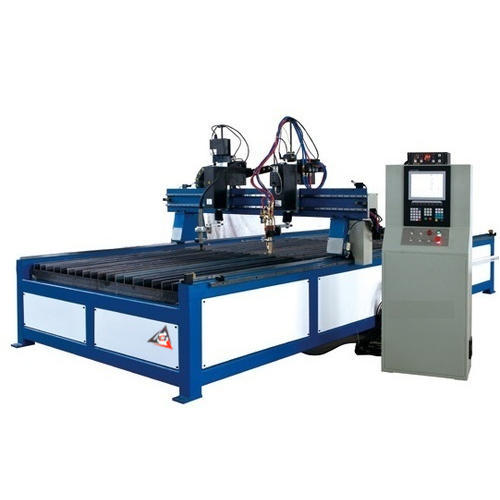
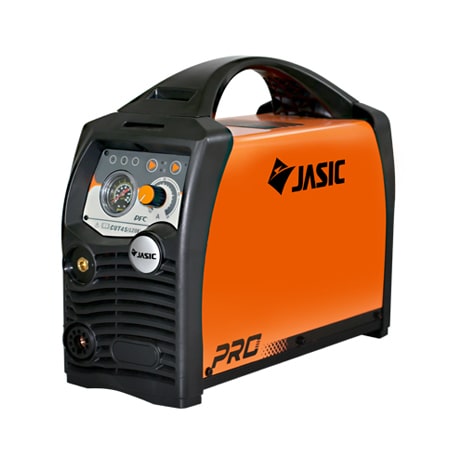
Electrically conductive metals are cut using a high-temperature plasma arc in CNC plasma cutting.CNC laser cutting uses a concentrated laser beam with assist gas to melt or vaporize material along the programmed cutting path.
Both systems use CNC control, so designs can be programmed and repeated with good consistency. The major difference is the cutting technology and where each performs best. Plasma is particularly useful for heavier metal sections, while laser is widely valued for precision and high-quality cutting on thinner and medium-thickness materials.
Where CNC Plasma Cutting Has an Advantage
CNC plasma is often considered when businesses work with thicker metal plates or need a practical solution for heavy-duty fabrication.
Modern plasma systems can cut mild steel, stainless steel, aluminium, and other electrically conductive metals. Plasma can also be effective where material surface condition is less than perfect, depending on the system and process settings.
Plasma may be a strong choice for:
- Heavy fabrication
- Structural components
- Thick metal plates
- General engineering applications
- High-volume metal cutting
- Workshops where cutting thickness is a major requirement
For heavier sections, plasma can maintain a strong productivity advantage. The exact performance depends on the plasma source, material, thickness, cutting parameters, and machine configuration.
Where CNC Laser Cutting Has an Advantage
Laser cutting is generally attractive when precision, fine details, narrow kerf, and clean edges are important. It is particularly effective on thin and medium-gauge sheet metal. Laser systems can produce narrow cuts and high dimensional accuracy, making them suitable for applications where the finished part needs minimal secondary processing.
Laser cutting can be a better fit for businesses handling:
- Thin sheet-metal components
- Intricate profiles
- Detailed parts
- Precision fabrication
- Parts requiring clean edges
- Production where dimensional consistency is critical
Material cleanliness can also matter. Laser performance can be affected by surface condition, so businesses should consider the type and condition of the material they regularly process.
The Biggest Decision Factor: Material Thickness
There is no universal thickness number at which plasma suddenly becomes better than laser. The crossover depends on laser power, plasma technology, material type, cutting parameters, and the required edge quality.
However, thickness is one of the most important factors to evaluate. Current industry guidance shows that fiber laser has strong advantages on thinner materials, while plasma becomes increasingly competitive as material thickness rises.
That means businesses should not select a machine simply because laser or plasma is considered more advanced.
Precision, Speed and Edge Quality
When comparing CNC plasma and laser, three practical factors deserve attention.
Precision: Laser generally provides finer cuts and narrower kerf, making it suitable for detailed components and tighter tolerances. Plasma technology has also improved significantly, particularly with modern high-definition systems.
Speed: Cutting speed changes with material thickness and machine power. Laser can be extremely fast on thin sheet, while plasma can become highly productive on thicker material. Therefore, advertised maximum speed alone should not determine the purchase decision.
Edge Quality: Laser is generally associated with very clean, precise edges on suitable thinner materials. Advanced plasma systems can also provide excellent edge quality, especially for thicker sections.
Which Machine Is Right for Your Business?
A simple way to begin the decision is to match the technology with your production priorities:
|
Business Requirement |
More Suitable Option |
|
Thin sheet and fine details |
CNC Laser |
|
High precision components |
CNC Laser |
|
Thick metal plate cutting |
CNC Plasma |
|
Heavy fabrication |
CNC Plasma |
|
Detailed profiles on thin materials |
CNC Laser |
|
Mixed heavy-duty metal fabrication |
CNC Plasma |
This is a starting point, not a replacement for technical evaluation. Actual machine selection should consider material, thickness range, part size, cutting volume, tolerances, available utilities, and the required production workflow.
Choosing the Right CNC Cutting Machine Supplier
Picking out the machine is just a part of the deal. It is important to make sure that the supplier knows the application and helps with choosing the right technology and configuration. Firms looking for a CNC Cutting Machine Dealer in Ahmedabad will have an added advantage by talking about their production needs rather than just requesting for the machine's specifications.
Likewise, firms considering a CNC Cutting Machine Dealer in Gujarat may need to look at the product line, technical support, installation requirement, machine configuration, and after-sales service.
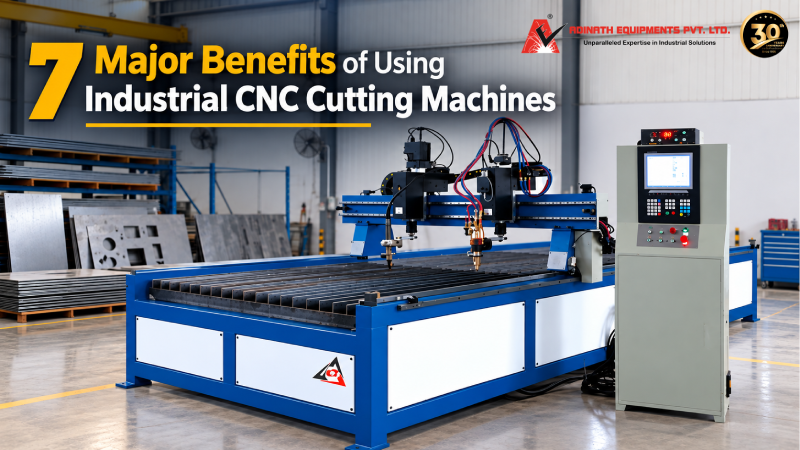
Adinath Equipments Pvt. Ltd. offers CNC oxyfuel/plasma cutting machines, laser cutting, welding and cleaning machines in their CNC cutting-machine collection. Adinath claims that they started working on CNC oxyfuel/plasma machine design and execution in 2015.
Why Choose Us
Adinath Equipments Pvt. Ltd. provides its clients with a solution-based approach to industrial equipment by focusing on the need of the application instead of following an all-in-one approach. The CNC cutting products offered by us include oxyfuel /plasma cutting and laser cutting, welding, and cleaning machines. The team at Adinath Equipments Pvt. Ltd. recognizes the fact that the thickness of the material to be cut, accuracy needed, quantity to be produced, and work flow are all factors affecting the choice of machines. We help our clients comprehend these needs before recommending the appropriate machinery.
Conclusion
The decision to select either a CNC Plasma or a CNC Laser cutting machine would depend on what the business is cutting and how it requires the parts to be cut. A laser machine would usually be an appealing option because of thin materials, complicated designs, accuracy, and cutting edges, while a plasma machine would be a great choice when dealing with thick metals. Some of the factors that could include material, thickness, tolerances, volume of production, surface finish, and other processing activities would determine which of the two machines will best suit a business.
Looking for the right CNC plasma or laser cutting solution for your business? Contact Adinath Equipments Pvt. Ltd. at +91 7016361870 or email info@adinathequipments.com for product details and application-based guidance.
Frequently Asked Questions
CNC plasma cutting uses a high-temperature plasma arc to cut electrically conductive metals, while CNC laser cutting employs a concentrated laser beam to melt or vaporize materials. Plasma is ideal for thicker materials and heavy-duty fabrication, whereas laser cutting excels in precision and clean edges on thinner materials.
CNC plasma cutting is typically the preferred choice for heavy fabrication as it can effectively cut thick metal plates and maintain a high productivity rate. This technology is advantageous for structural components and general engineering applications.
Material thickness is a crucial factor when selecting between CNC plasma and laser cutting. Laser cutting is often better for thin materials, while plasma cutting becomes increasingly competitive as the thickness rises, making it important to evaluate the specific requirements of your production needs.
When choosing a CNC cutting machine dealer in Ahmedabad, it's essential to discuss your production needs in detail, including material types, thickness, application requirements, and expected tolerances. A supplier like Adinath Equipments Pvt. Ltd. can help you choose the right technology tailored to your specific operations.
CNC laser cutting is particularly beneficial for applications requiring high precision, intricate designs, and clean edges. It is well-suited for thin sheet metal components and parts needing dimensional consistency, making it a top choice for detailed fabrication.